Rome did not only plan its agriculture in harmony with the seasons. They also fought…
Read More →
Rome did not only plan its agriculture in harmony with the seasons. They also fought…
Read More →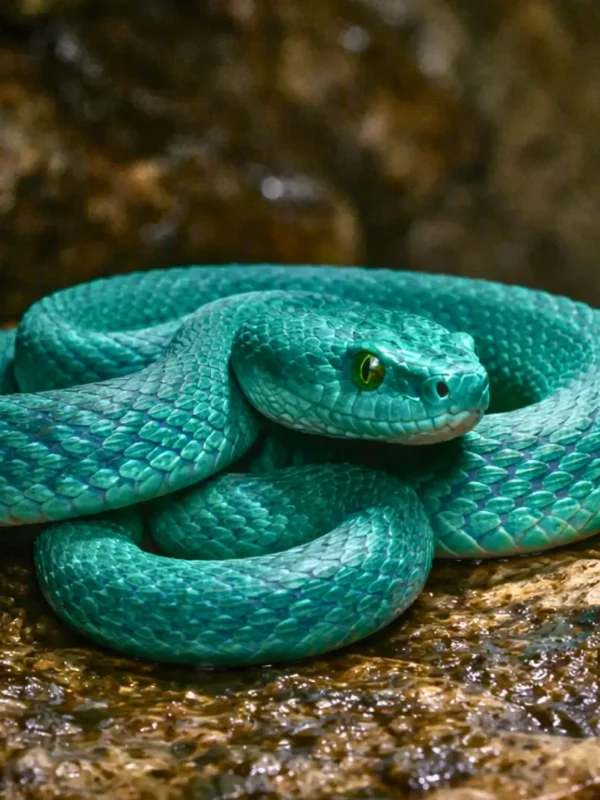
A recent expedition to the karst outcrops of Battambang in western Cambodia uncovered several species…
Read More →
Officials say the plan targets river-lined gaps where border fencing is difficult or impossible to…
Read More →
Doubling of fish biomass and rebounding of endangered species shows government measures starting to work,…
Read More →
A new study in Nature Communications discovers a gloomy climate tipping point in Tibetan permafrost ecosystems.…
Read More →
Today’s fashion and textile industry is worth over USD 2.5 trillion (EUR 2.25 trillion), with fast fashion leading the way. The average person buys 60% more clothes today than they did two decades ago, but keeps each garment for half as long. The lethal combination of rising consumption and shorter apparel longevity has led to increased global textile waste, which in 2015 was estimated to amount to 92 million tons — and now it is probably more. This means that every year, the average person throws away over 11 pounds (5 kilograms) of shoes and clothing instead of recycling or donating them.
The steep environmental price tag also applies at the beginning of our clothing lifecycle. To make just one cotton shirt, textile manufacturing processes use on average 11 high-grade toxic chemicals and 2,700 liters of water, which is enough for one person to drink for nearly three years. Between raw materials sourcing, dyeing processes and garment manufacturing plants, the industry makes up 4% (and growing) of our global greenhouse gas emissions to date.
The fashion industry also faces ethical dilemmas. In today’s complex supply chains, workers’ rights, safety hazards and low labor wages shed light on the dark corners of factory floors. Controversial raw materials, such as leather and fur, also pose a big question mark on our perception of luxury goods.
However, there has been a shift in the way we dress and shop, which began before the Covid-19 pandemic. Buyers want more than just quality and often search for fashion brands that align with their personal values. Millennials, for example, view shopping as an opportunity to make an impact, buying from brands with ethical business practices and sustainable materials. Zalando, a leader in clothing e-commerce, says that 1 in 3 of its consumers now searches for sustainable fashion items on its website.
On the other side of the spectrum, the fashion and textile industry is revisiting its game plan to meet consumers where they are. New measuring standards, innovative production processes and fresh marketing campaigns flood the scenes to educate buyers on where the brands stand on the green scale. According to Edited, a retail market intelligence platform, the number of searches of the term “sustainable” has quadrupled in the last four years as companies continue to rewrite their mission statements, revisit their supply chains and reallocate resources to go green. Fashion powerhouses, including H&M and Superdry, re-examined their end-of-chain labor policies and switched to organic materials, recycled fibers and renewable packaging.
Defining sustainable fashion in a nutshell
Ethical Fashion
focuses on the virtuous side of the process, including working conditions, employment wages, gender equality and work ethic. It also considers a brand’s social impact and the creation of equal opportunities.
Vegan Fashion
refers to animal-free fashion, including the elimination of animal testing in the production process and animal-derived materials and components.
Conscious Fashion
defines a movement to increase awareness of a product’s impact on the environment and society. The goal is to transform fashion into an industry that cares about its impact on people and the planet.