To some it seemed a thoughtless step but scientists hope the dispersal of 65,000 litres…
Read More →
To some it seemed a thoughtless step but scientists hope the dispersal of 65,000 litres…
Read More →
Weda Bay: Analysis has found more than 3,000 mining operations within the most naturally precious…
Read More →
Officials say the plan targets river-lined gaps where border fencing is difficult or impossible to…
Read More →
VISU Contemporary in Miami Beach will present a landmark exhibition this fall: Vanishing Act by…
Read More →
A recent expedition to the karst outcrops of Battambang in western Cambodia uncovered several species…
Read More →

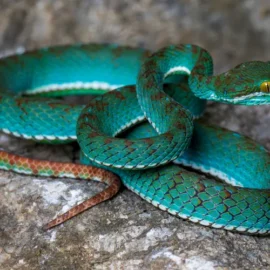
A spectacular new species of pit viper (from the Trimeresurus genus) was found during the survey and is being described. These highly venomous snakes track down their warm-blooded prey using the heat-sensitive pits behind their nostrils.
Source:
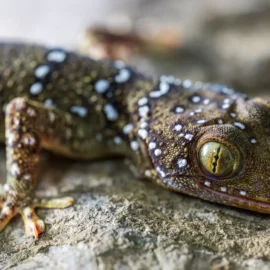
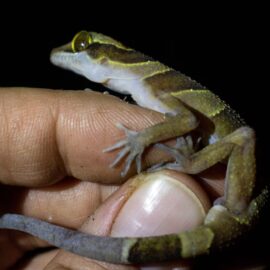
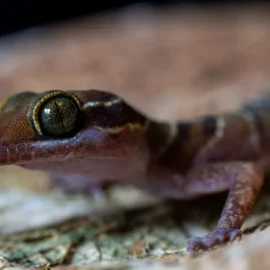
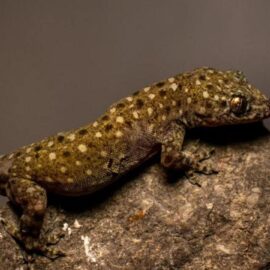
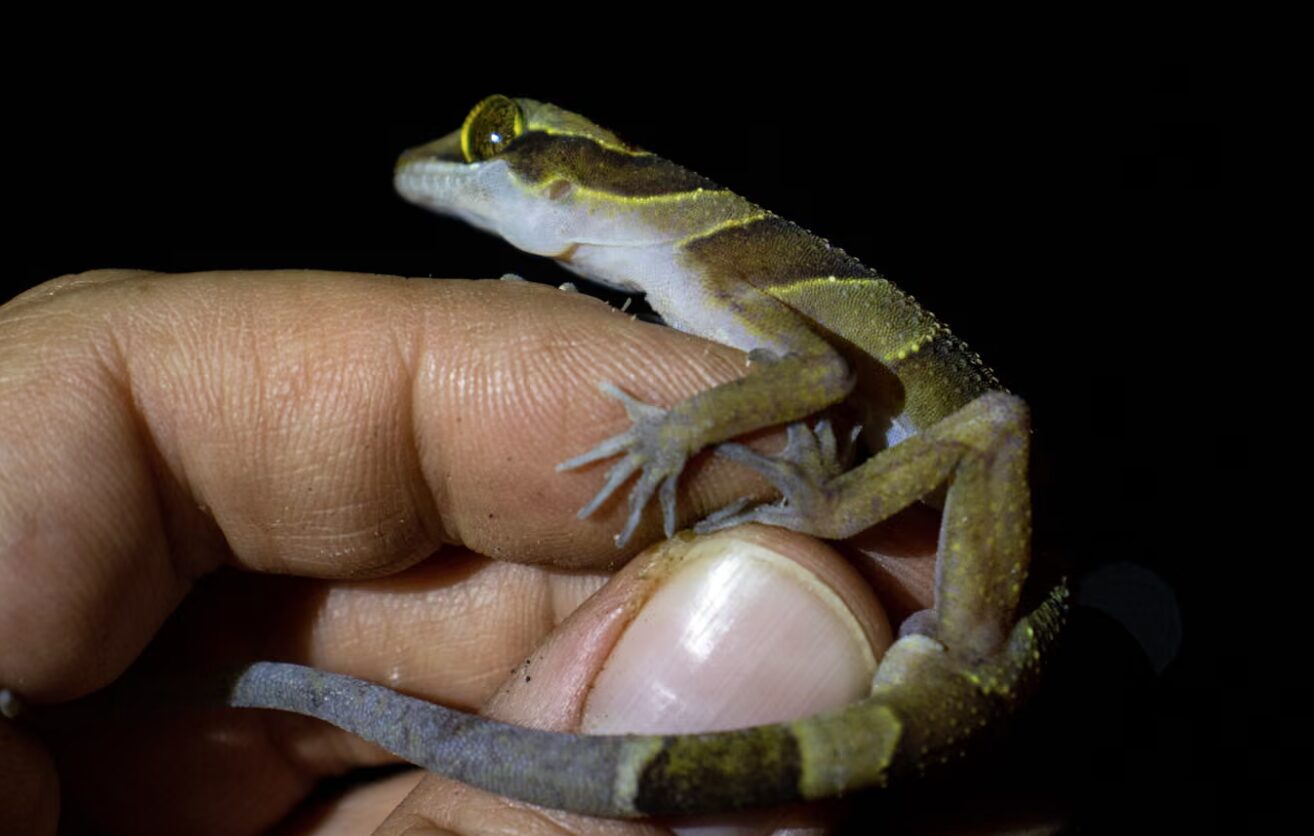
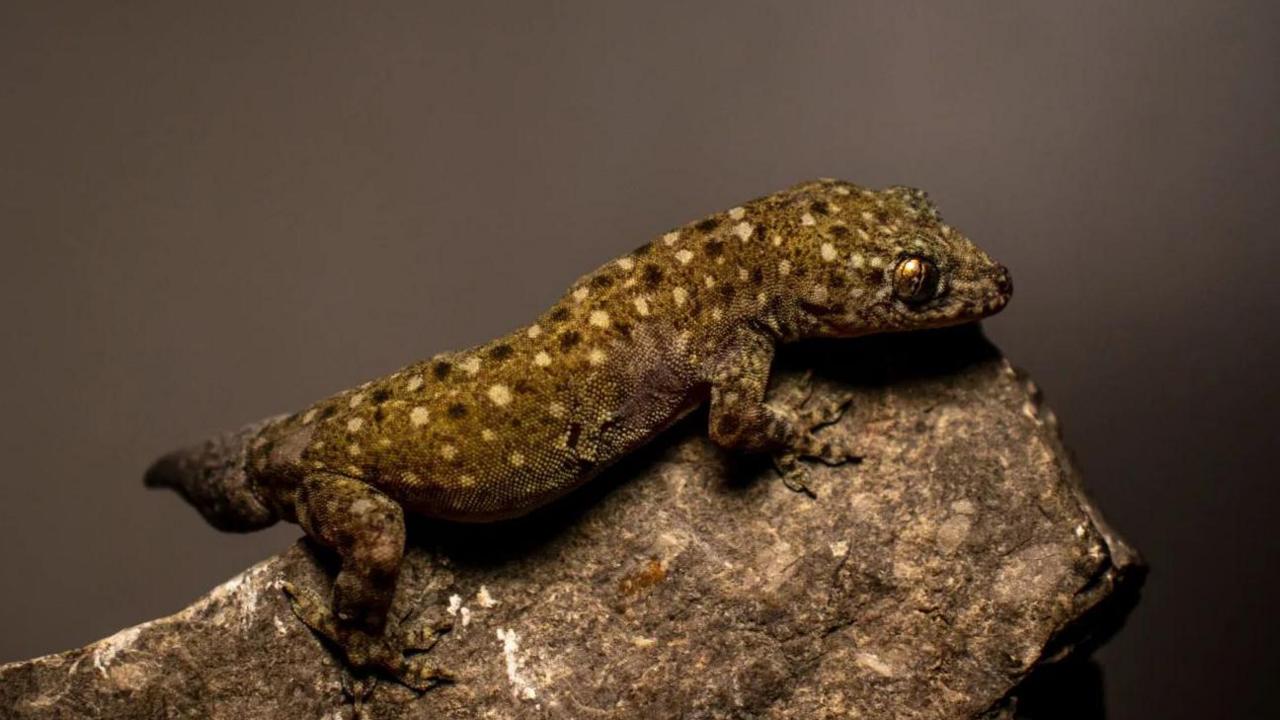
Four populations of the striped Kamping Poi bent-toed gecko were found and identified as a new species: Cyrtodactylus kampingpoiensis. Despite being described as one species, it is thought that, due to the isolation of the karst formations, these four populations are separate in evolutionary terms, and further genetic analyses may establish whether they are four different species rather than just one.
Source:
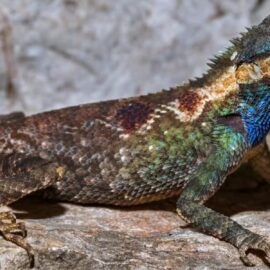
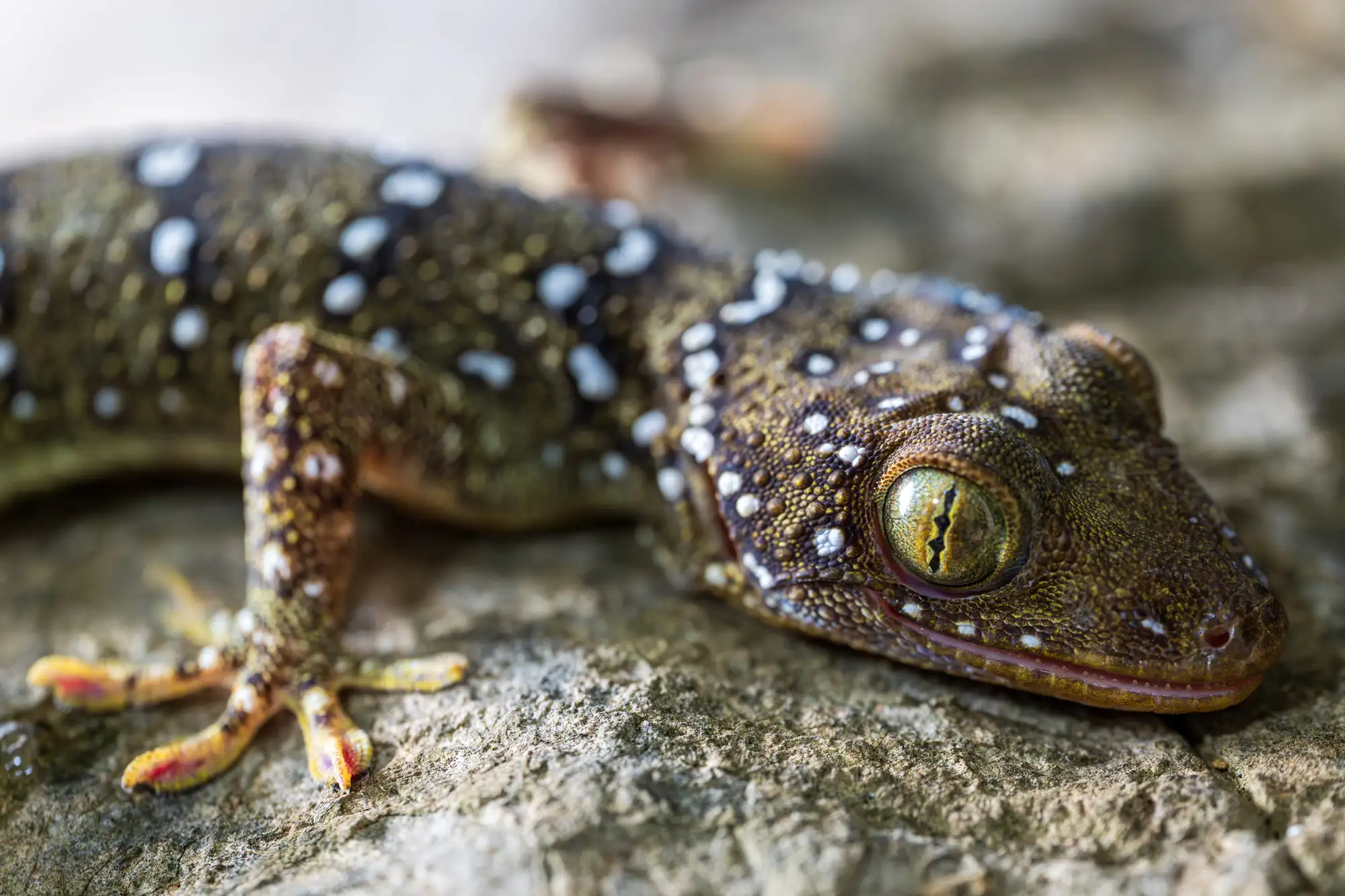
A recent expedition to the karst outcrops of Battambang in western Cambodia uncovered several species previously unknown to science—including a strikingly colored pit viper—while underscoring the urgency of protecting these fragile ecosystems. These findings, announced by Fauna & Flora International and local authorities, have direct implications for tourism management, resource exploitation and the conservation of species at risk.
During the survey, the team visited more than 60 caves spread across 10 karst hills. Accessing many of the underground systems required climbing forest-covered slopes and crawling through narrow crevices to interior chambers.
The investigation was coordinated by Fauna & Flora International together with the Cambodian Ministry of Environment and field specialists. The result: several new species and confirmation of populations of threatened animals in the cavity environment.
Among the discoveries are reptiles, invertebrates and more. The team documented animals endemic to the caves as well as occasional visitors.
In addition, specimens of reticulated python were observed transiting through karst passages, illustrating the complex connectivity between caves and the surrounding jungle.
The karst relief is formed when limestone rock is dissolved by rain and groundwater, creating steep landscapes, sinkholes, sinkholes and caverns. On a global scale, karst generates isolated microhabitats where evolution can produce species with extremely limited distribution.
In other regions these formations have given rise to emblematic places such as Ha Long Bay (Vietnam), the cenotes of Yucatán (Mexico) or Mammoth Cave (USA). In each karst fragment, fauna can follow its own evolutionary path, isolated from neighboring populations.
Biologist Lee Grismer, a member of the team, explained that each karst outcrop acts as a “natural laboratory” where similar evolutionary processes are repeated independently, giving rise to species found nowhere else.
Sothearen Thi, karst biodiversity coordinator at Fauna & Flora, warned that without sustainable management measures many species could disappear before being discovered and that is why collaboration with the Cambodian government is key to increasing the protection of these landscapes.
In response to the findings, Fauna & Flora International recently launched guidelines for the conservation and responsible use of cave ecosystems in Cambodia.
The document adapts good international practices to the local context and proposes concrete actions to:
These recommendations aim to balance conservation with human activities already taking place in the area, and provide a framework for local authorities and communities to make informed decisions.
The new biological records reinforce the idea that many Southeast Asian karst systems remain underexplored and biologically valuable. Protecting them not only conserves unique species, but also sustains ecosystem services and scientific research opportunities.
If effective measures are not implemented, pressures for development, extraction and haphazard tourism could erase unique populations. Immediate action in management policies and the participation of local communities will be decisive for these natural “laboratories” to continue producing scientific surprises.