A new study suggests the Moon has been catching tiny pieces of Earth’s air for…
Read More →
A new study suggests the Moon has been catching tiny pieces of Earth’s air for…
Read More →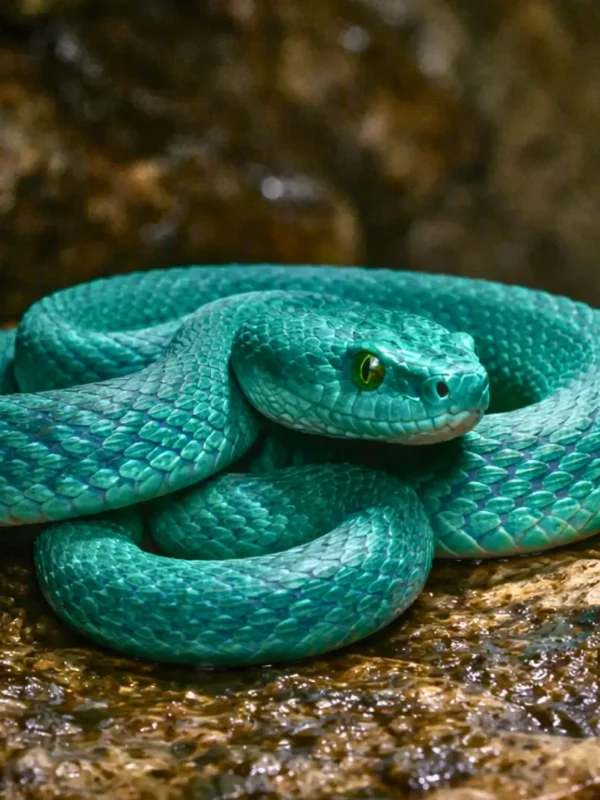
A recent expedition to the karst outcrops of Battambang in western Cambodia uncovered several species…
Read More →
The Indian monsoon has shifted over the past quarter century. Northwest India now receives substantially…
Read More →
Record low levels of Antarctic sea ice is having grim consequences for penguins yet to…
Read More →
Genetic analysis of the mata mata turtle in two different locations revealed that there is…
Read More →

A new report from an animal rights advocates claims horses being flown to Japan for slaughter continue to endure injuries, illnesses and in even some cases, death during transport.
The report titled “Cruel Cargo: Hidden Injuries & Deaths in Canada’s Live Horse Export Trade” was compiled by Animal Justice, in partnership with Japan-based Life Investigation Agency (LIA) and the Canadian Horse Defence Coalition (CHDC).
The groups compared Japanese data with documents from the Canadian Food Inspection Agency (CFIA) that CHDC obtained through access-to-information requests.
It examined data from 18 different shipments from Winnipeg and Edmonton between Sept. 2024 to Sept. 2025.
It claims nine horses died, 29 collapsed during flights, more than 290 were injured or sick and also alleges at least five shipments exceeded Canada’s 28-hour limit for transporting horses without food, water, or rest.
“Something is clearly wrong with this industry,” said Kaitlyn Mitchell, who is the director of legal advocacy with Animal Justice. “It really paints a picture of the suffering that these horses are enduring after they leave Canada.”
Horses are live-shipped by air to Japan from both Manitoba and Alberta. Once in Japan, the horses are fattened, before being slaughtered and served raw as sashimi, which is considered a delicacy.
None of the numbers in Animal Justice’s report are reflected in records from the CFIA, which regulates livestock exports.
On its website, it shows no recorded deaths or injuries to the 2,408 horses exported between July 2024 and June 2025.
Animal Justice and other advocacy groups have called for a ban on live horse exports to Japan for years.
Former prime minister Justin Trudeau committed to banning this practice in the 2021 federal election, but a bill to end this practice died when Parliament prorogued last year.
Mitchell says there is no way to export horses safely.
“We cannot continue exporting horses from Canada, all the way to Japan for slaughter, and do so in a humane way,” she said. “The only solution to protect horses is to ban the practice.”
