Precious metals may be strangely escaping from the planet’s core upward This hotly debated subject…
Read More →
Precious metals may be strangely escaping from the planet’s core upward This hotly debated subject…
Read More →
Today’s fashion and textile industry is worth over USD 2.5 trillion (EUR 2.25 trillion), with…
Read More →
Rome did not only plan its agriculture in harmony with the seasons. They also fought…
Read More →
Letters to US Federal Communications Commission raise concerns over tech firms’ plans to use reflective…
Read More →
Earth is struggling with a record energy imbalance with warming oceans to unprecedented levels and…
Read More →
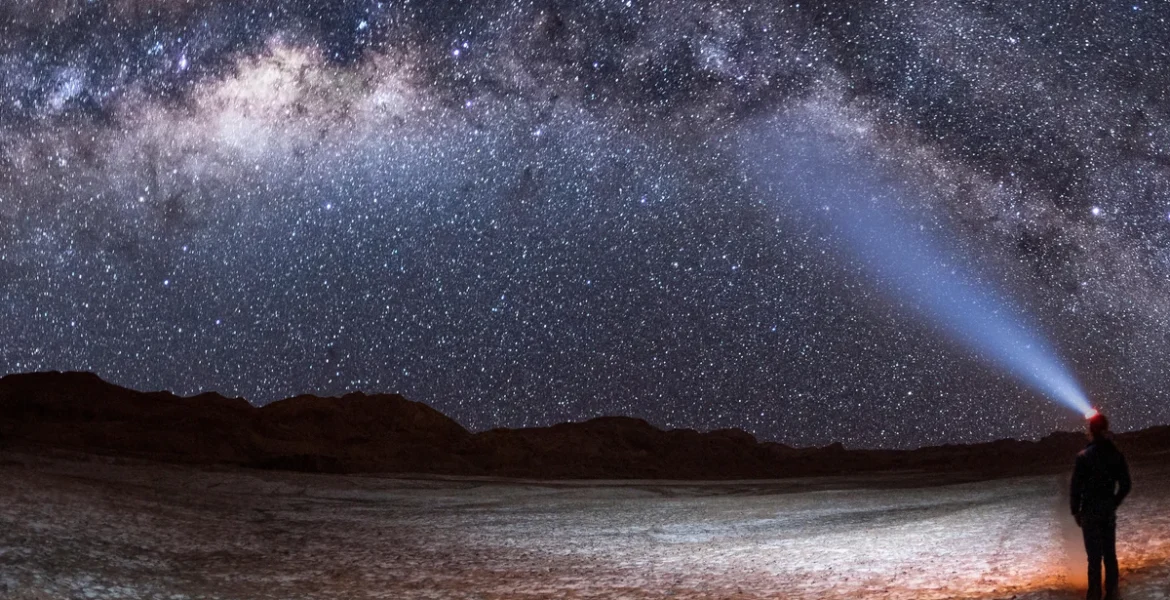
How much is darkness worth? At Chile’s Paranal Observatory, it can mean the difference between spotting a faint galaxy and losing it in a wash of artificial glow. That is why astronomers in Chile and around the world are celebrating the end of INNA, the industrial megaproject once planned near one of the clearest skies anywhere on Earth.
AES Andes said on January 23, 2026, that it would stop the green hydrogen and green ammonia project and shift its attention to renewable energy and battery storage.
INNA was never a small proposal. ESO said it would spread across more than 3,000 hectares and sit roughly 5 to 11 kilometers from major astronomical facilities at Paranal and nearby Cerro Armazones, an area it describes as the darkest and clearest sky of any astronomical observatory in the world.
Put something that large that close, and the observatory’s natural advantage starts to slip away.
That mattered because Paranal is not just another telescope site. Since opening in 1999, it has helped deliver landmark results, including the first image of an exoplanet, and the neighboring Armazones site is where ESO is building the Extremely Large Telescope, a machine meant to push astronomy much deeper into the cosmos.