The silence of the sun is an illusion. Sun`s sound is essentially vibration and needs…
Read More →
The silence of the sun is an illusion. Sun`s sound is essentially vibration and needs…
Read More →
Officials say the plan targets river-lined gaps where border fencing is difficult or impossible to…
Read More →
Earth is struggling with a record energy imbalance with warming oceans to unprecedented levels and…
Read More →
VISU Contemporary in Miami Beach will present a landmark exhibition this fall: Vanishing Act by…
Read More →
A new study suggests the Moon has been catching tiny pieces of Earth’s air for…
Read More →

Cleaning-air buildings are a fine way to tackle climate change. These structures actively contribute to saving our environment whilst providing the necessary infrastructure for growing communities. There has been a significant shift towards creating architectural solutions and integrating these buildings into cities in recent years.
There are many ways how buildings can clean the air. Green roofs and living walls look great whilst improving the surrounding air quality. Green roofs can help absorb pollutants, reduce CO2 levels, and lower urban temperatures. Living walls are vertical gardens that are integrated into building facades to capture airborne pollutants, produce oxygen and improve air quality. Both of these are also aesthetic additions to buildings, contributing to urban beautification.
Other ways buildings clean the air are more technical. Some have used photocatalytic materials that break down harmful pollutants when exposed to sunlight. Others have advanced air filtration systems that actively pull in polluted air, filter it, and release it back cleaner, functioning as giant urban air purifiers.
Across the globe, there are pioneering examples of air-cleaning buildings that stand as architectural marvels. Here are some of the most notable.
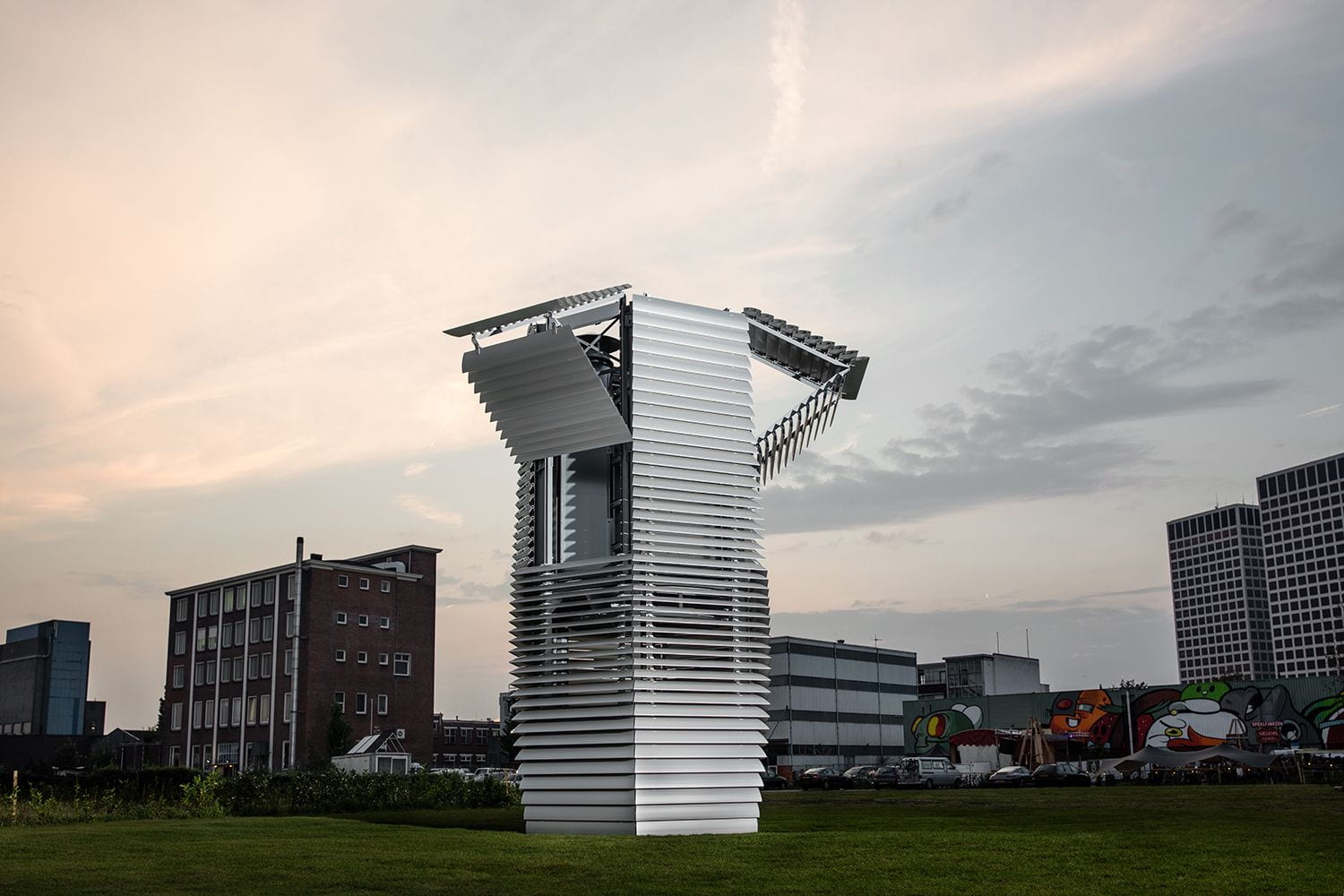
The Smog Free Tower in Rotterdam is the world’s first smog vacuum cleaner. The tower uses ionisation technology to capture and remove smog particles from the air. Up to 30,000 cubic meters of air can be cleaned per hour, reducing pollution in its immediate surroundings.
Bosco Verticale is vertical forest on a pair of residential towers in Milan, designed by Stefano Boeri Architetti.
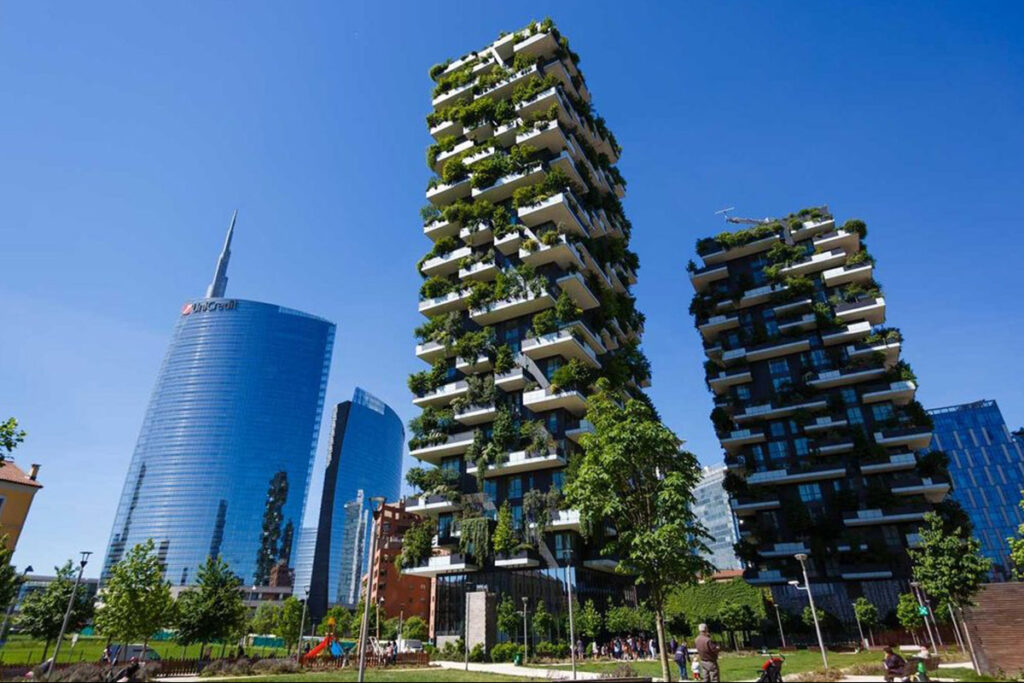
Approximately 20,000 trees, shrubs and plants cover these buildings, making them a living and breathing part of the city’s landscape. The vegetation absorbs CO2, produces oxygen and filters fine particles from the air. Biodiversity is also created by the plants, meaning the towers are home to habitats for various species. All of this contributes towards a healthier urban environment.
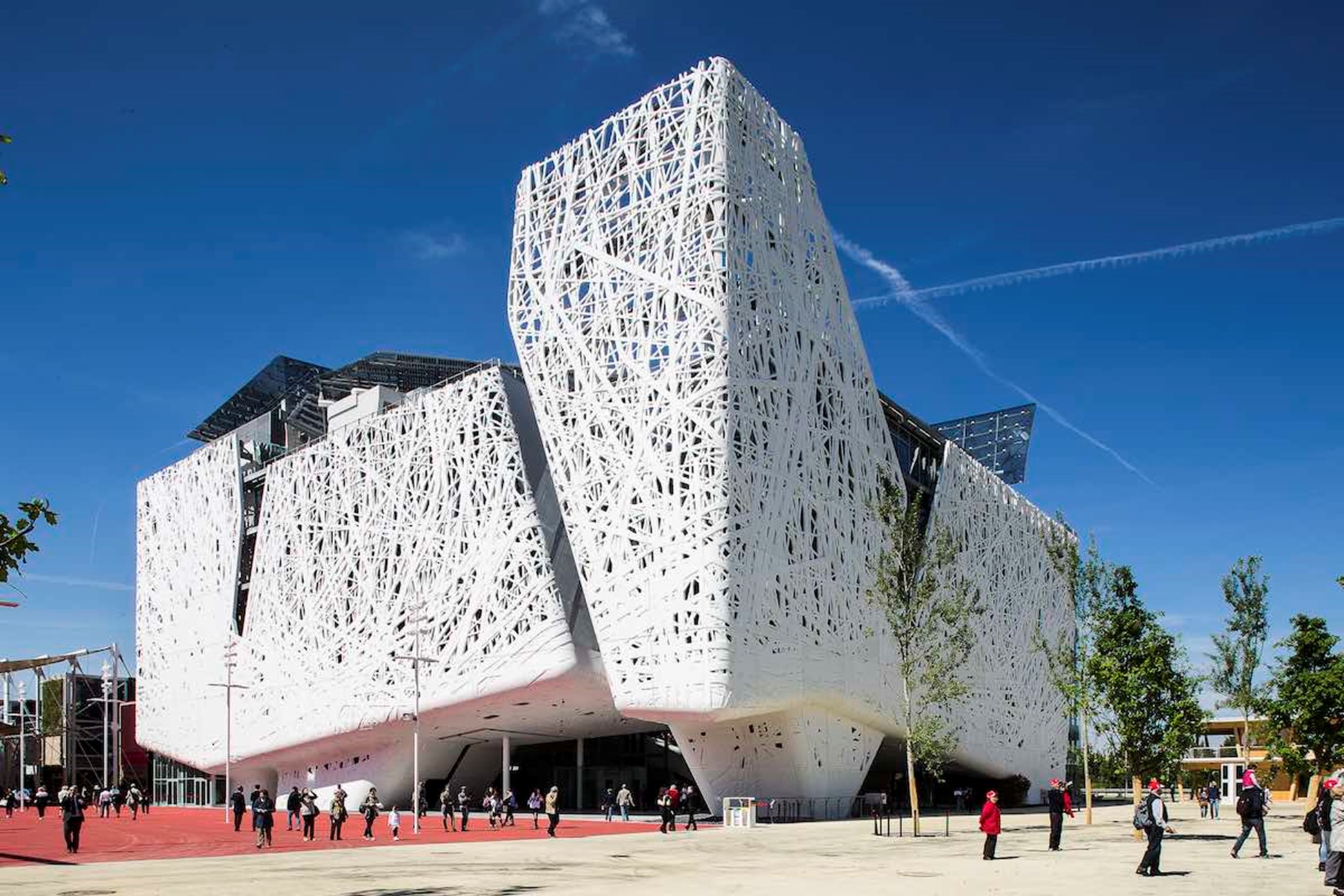
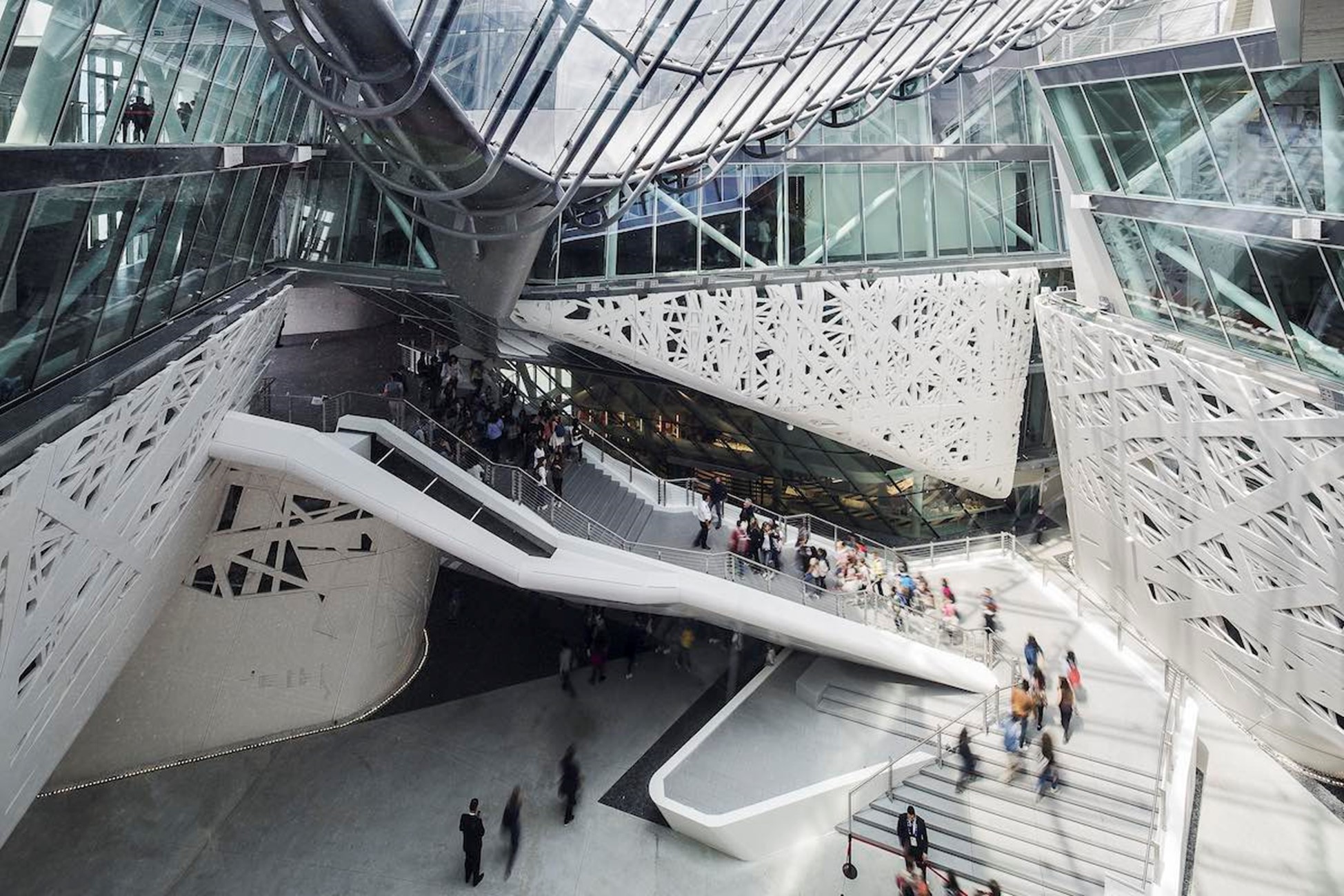
Milan’s Palazzo Italia is another pioneering piece of smog-eating architecture. The building mimics the function and appearance of trees, converting air pollutants into harmless salts that can be washed away in rainfall. Additionally, the roof is covered in solar panels to generate energy. The building was unveiled for Milan’s Expo Site serving as a landmark and representing Italy’s commitment to sustainability and innovation.
In the heart of Abu Dhabi, the Al Bahr Towers are silhouettes of innovation. The two towers’s exterior consists of 2,000 geometric panels that adjust themselves throughout the day. These ‘mashrabiya’ panels take their inspiration from a traditional Islamic shading device, adjusting during the day to optimise natural light and reduce solar gain by over 50%. In hot conditions, excessive solar gain can lead to overheating, increasing the need for air conditioning and energy consumption.
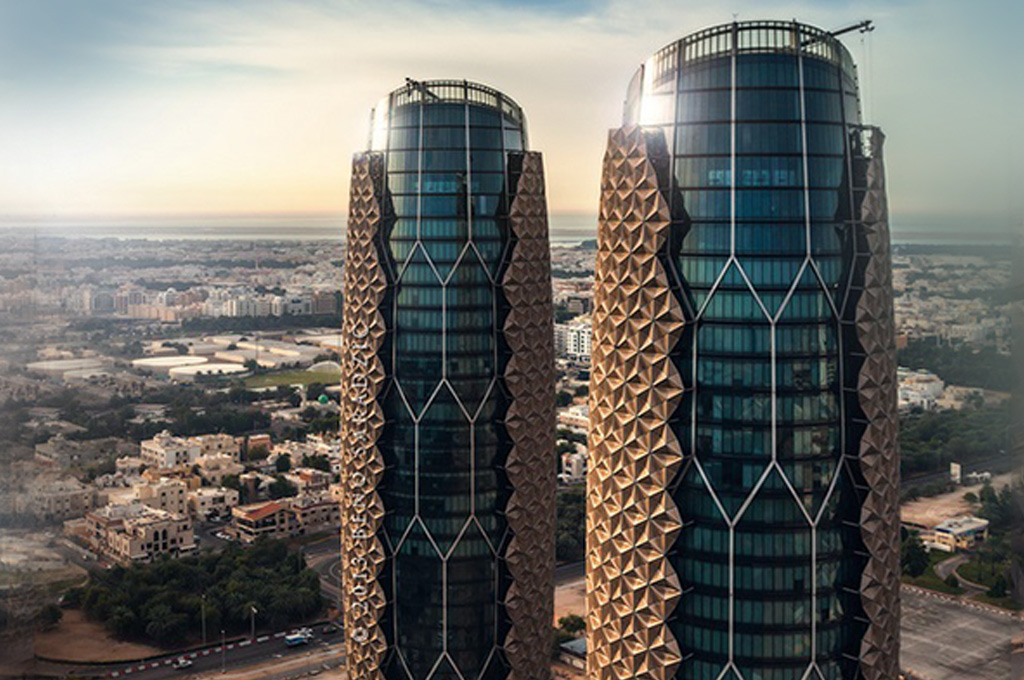
By reducing this, these towers cut CO2 emissions by 1,750 tonnes annually. Whilst these towers don’t physically clean the air around them, the advanced technology means that the building is a pioneer in how architecture can reduce carbon emissions and work towards a better planet.
The Oasia Hotel Downtown is an iconic green 27-story tower. This hotel integrates green spaces into its architecture to improve urban air quality.
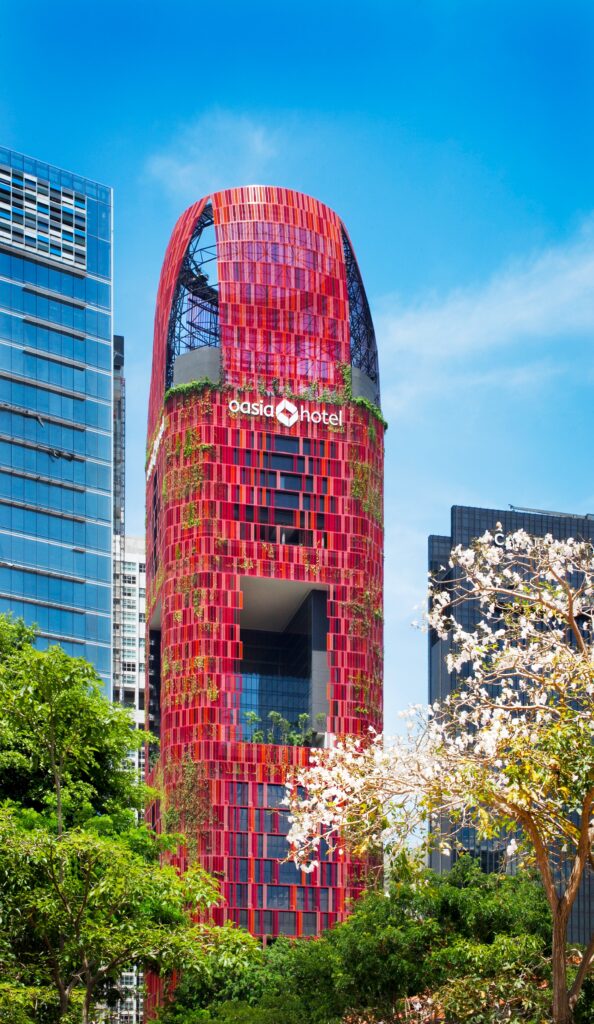
Similar to Bosco Verticale, this structure is a vertical garden featuring over 21 species of climbing plants, helping to absorb CO2, producing oxygen and increasing the surrounding air quality. Inside the building, natural ventilation and green spaces are prioritised, increasing energy efficiency. The Oasia Hotel is an example of how design can transform urban spaces into healthier, more sustainable environments.
Torre de Especialidades is a hospital building in Mexico City. It features cutting-edge air-cleaning technology integrated into its facade. The building is covered with a special type of photocatalytic tile that breaks down harmful air pollutants when exposed to sunlight. This reduces the levels of pollution in one of the world’s most polluted cities.
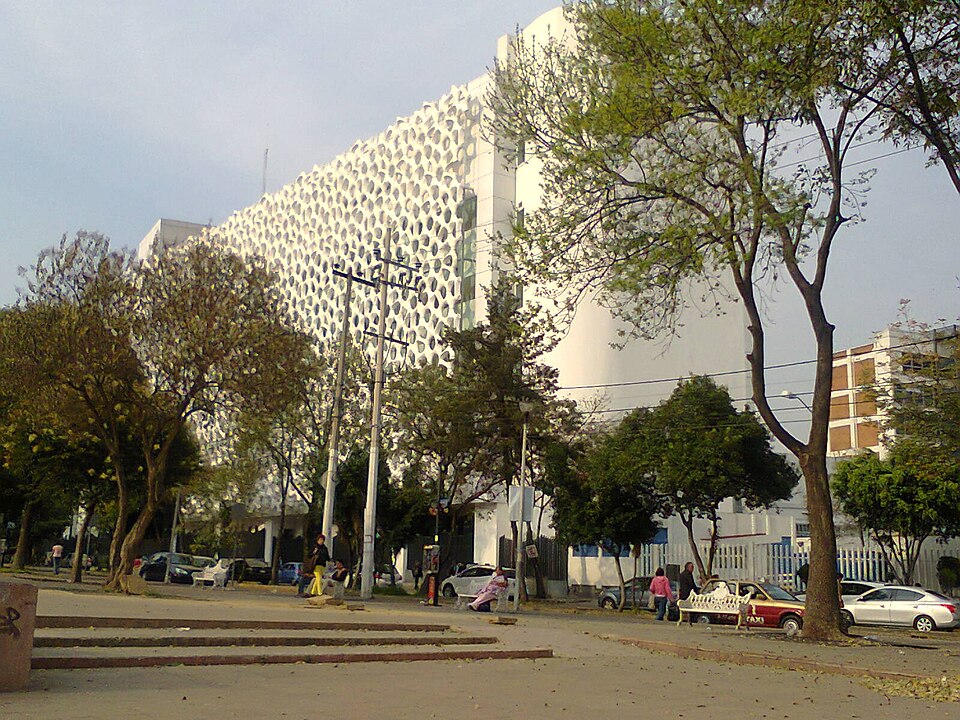
The large-scale application of this technology on Torre de Especialidades demonstrates the potential for the widespread use of such materials in urban environments to combat air pollution effectively.