Arctic river deltas face rising climate pressure while holding vast frozen carbon reserves. Many rivers…
Read More →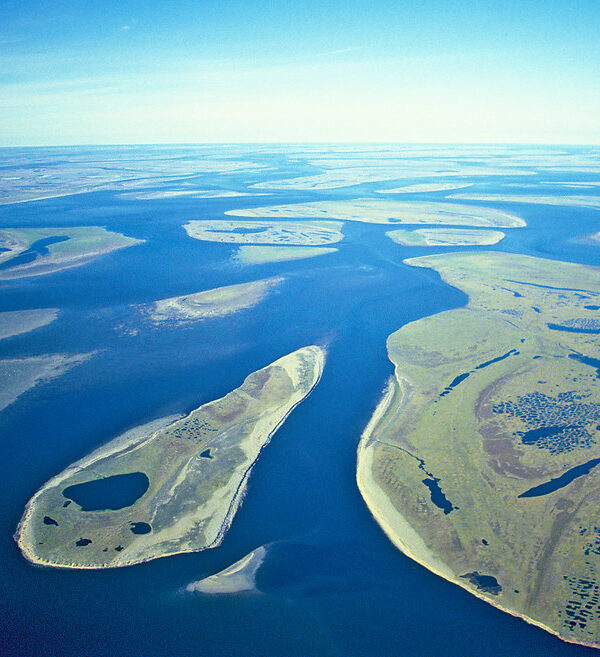
Arctic river deltas face rising climate pressure while holding vast frozen carbon reserves. Many rivers…
Read More →
Officials say the plan targets river-lined gaps where border fencing is difficult or impossible to…
Read More →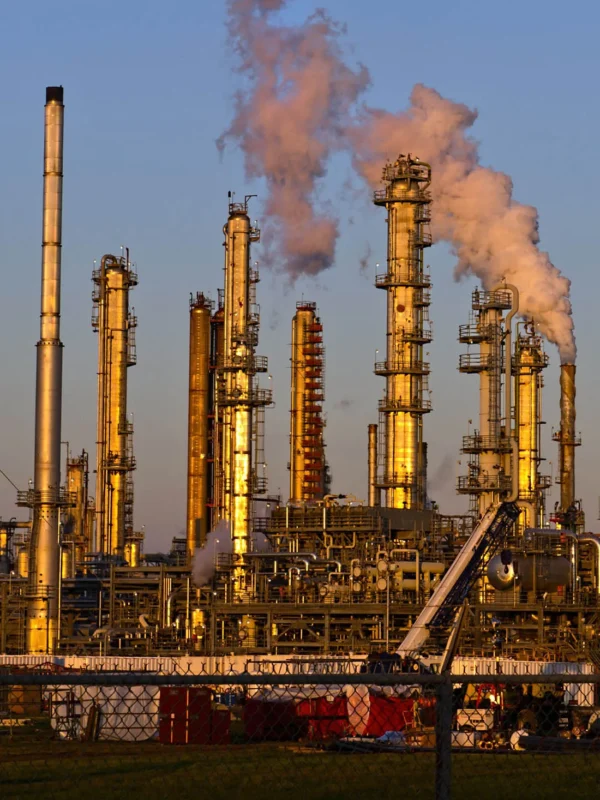
The US has inflicted $10tn in global damages since 1990 through its vast planet-heating emissions, new…
Read More →
Imagine that wind turbine blade is more than 100 meters long. At that size, many…
Read More →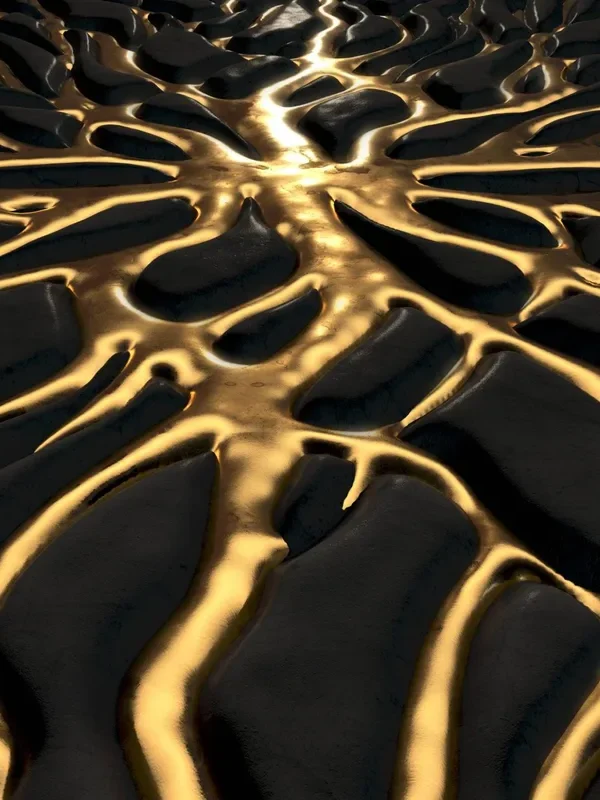
Deep beneath our feet, a slow trickle of gold is escaping from the heart of…
Read More →
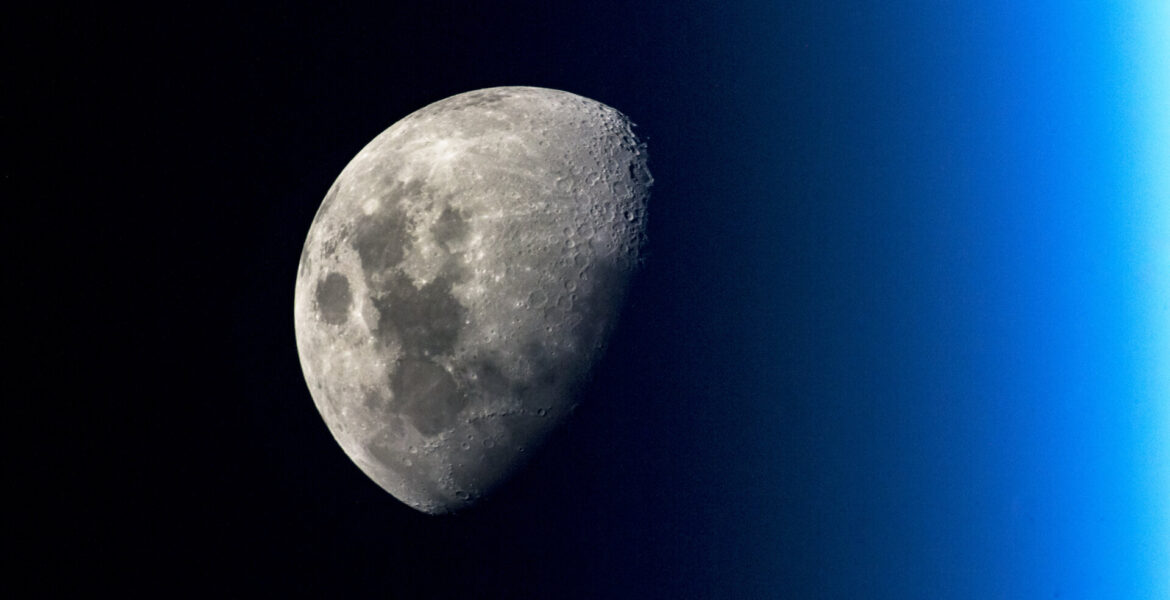
The new modeling shows a more complicated story. When the solar wind hits Earth’s magnetic bubble, it can grab charged particles from the upper atmosphere and sweep them down Earth’s long magnetic tail, the magnetotail.
When the Moon happens to pass through that tail, some of those particles get implanted into the lunar surface instead of being lost to deep space.
The team behind the work combined advanced 3D magnetohydrodynamic simulations with models of how different gases in the upper atmosphere become ionized and escape. Their results suggest this “leak” has been happening efficiently throughout the long history of Earth’s dynamo rather than during a brief, unshielded phase in the planet’s early past.
In practical terms, that means the Moon has been quietly collecting a thin but steady drizzle of terrestrial material for billions of years.
Apollo astronauts brought back samples of the lunar regolith in the 1960s and 70s. Those grains turned out to be loaded with “volatile” elements such as nitrogen, hydrogen, noble gases and traces of water, even though the Moon itself is almost completely dry inside.
NASA’s Lunar Sample Compendium and decades of lab work have shown that much of this material comes from the solar wind, which implants particles directly into the top layer of dust.
The puzzle was nitrogen. There is more nitrogen in the lunar soil than the Sun alone can explain, and its isotopic “flavor” does not quite match the solar wind either. Earlier studies proposed that this extra nitrogen might come from ancient interstellar grains, comet impacts or a brief period when Earth lacked a magnetic field and its atmosphere was easily stripped.
The new simulations take a different approach. By tracking how solar wind flows around Earth and how atmospheric ions behave with and without a magnetic field, the authors find that a magnetized Earth still sends plenty of atmospheric material down the magnetotail.
When the Moon passes through that region, some of those ions slam into the surface and become trapped in the regolith.
To a large extent, that steady trickle can account for the “non‑solar” component measured in Apollo grains, especially for nitrogen and light noble gases.
In other words, the Moon’s soil may be recording the chemistry of Earth’s atmosphere over a huge span of time, not just during some short, violent episode in the early solar system.